Yep! It’s For Sale. ****One owner, driven only on Sunday’s!****

So you are looking for a new car. Maybe not brand new, but new to you. Surfing the web to find a car, can be frustrating.
You may find one you like, but when you go see it in person things change.
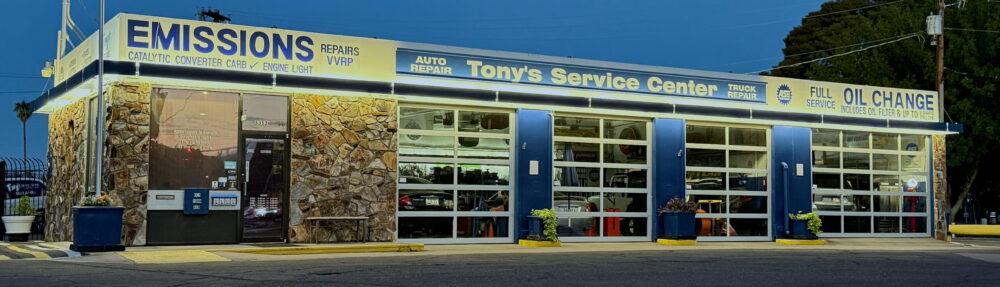
I recommend to every client, if you are going to buy a used car. Bring it into the shop for us to check it out. A full car inspection is a small drop in the bucket and it can keep you from getting into a money pit.
Some cars are not worth it, they will suck the money from your budget, and leave you disappointed. The car you choose needs to fit into your budget not eat it alive.
50 to 60% of the cars and trucks that visit the shop for a pre-purchase inspection are only in fair condition. Not worth your time or money
The seller is getting rid of a problem child.
I find a diamond in the rough from time to time, but for the most part many cars I inspect are worn out.
Buying the right car takes a little time. I find that many clients will look at more than 10 cars before they find a keeper.
Cars and trucks from an auction house can be a high risk, so beware that repairs could cost you big if you get a lemon.
So here are 5 basic steps to help you look for your new car.
Step 1: Go look at cars during the day.
Cars on the car lot will look real nice under the bright lights, but you will miss many details at night. During the day it is easy to see all the flaws. Paint color issues and poorly done body repairs are the big defects that hide at night.
Take a flashlight. You need to look behind and under the seats, in the trunk and under the dash. You are looking for anything that looks broken or in need of repair.
Step 2: Buy 2 to 4 years old, let the first owner take the hit.
When you buy a gently used 2 to 4-year-old car, the first owner will take the hit on the deprecation of the car. Almost all cars and trucks take a huge dip in value in the first 5 years. It is best to buy a car no older than 8 years. This way you will still have service parts available to keep your car looking and running good.
Auto manufactures start to drop cosmetic parts at 8 years of age. Cosmetic parts keep your car looking good. If it is in an accident it will need cosmetic parts to put it back together. So It is best to get something newer vs real old.
Mechanical parts will still be available for many years and you may have to go to a regular auto parts source (NAPA) for some things as the car ages past 15 years. Personally I drive a 1993 Toyota Tercel and my Toyota is 20 years old, but Toyota still services almost 80% of the parts for this car.
As long as you love your car and we can get quality parts for it, we can keep your car running great.
Gear head alert: If you have mechanical skills, the year of the car will never matter, but I will still recommend you to have an independent shop inspect the car, because it will be an objective opinion. If I save you money and keep you from buying a money pit, it will be worth every penny for the inspection.
Step 3: Drive the car in the city and on the freeway.
Before you bring the car in for an inspection. You can rule out some things on your own. When you drive the car, does it drive straight down the road? On flat ground, under safe conditions, lightly grip the steering wheel while driving. If the car wants to turn or pull to one side, it could indicate repairs needed. Tires can also cause a pull, but so can worn suspension parts or poor quality accident repairs.
Do the same pull check when using the brakes, does it pull or shake? Take time to listen to the car not the radio. Is the car overly noisy when driving on a smooth road? Does it vibrate at an idle when it is in gear? Does it shake at high speeds above the speed limit…
Does the car smell musty or like an old gym bag when you first get in. This is mostly noticed when you live in a hot climate area like Phoenix, AZ.
Do all the electric devices work? Does the A/C and heat work correctly. This one is a must have in Phoenix, AZ
Just check everything you can, switch everything on and off plus open and close all windows and the sun roof if it has one. If it will pass basic tests you are ready for the next part of the inspection.
Then bring the car into the shop for a full inspection. We will check the engine, fuel and Ignition systems, scan the computer, emissions equipment, transmission and under chassis. We will look for hidden body repairs that may have not been reported to Carfax. If we find issues we can give you retail prices on the needed repairs. This repair list will give you power to wheel and deal with the seller or just pass on the car.
Step 4: Stay away from cars that have “Go Fast” modifications.
Modifications do not add to the retail value or private re-sale value of the car, unless done correctly. Too many times I see cars that are just hacked up, but they look good on the outside. You can break this rule if you want to, but let me tell you why this step is important.
Let’s say you buy a Ford Mustang with a smaller V8 or V6, but later will want to add performance parts to it to make it Go Fast. You just killed the re-sale value of the car and wasted your money for a small gain.
It would be better for you to just buy the Mustang GT. The GT will hold its value because it is not hacked up, plus it is a Go Fast car to start with. Buy right, buy once.
When performance parts go bad, finding replacement parts when traveling can cause issues. A near stock car can be serviced at almost any repair location. Modifications will cost extra to maintain, and may add extra repair labor when servicing your car.
Every change you make to the car has a price. The costs go way past the original installation the parts.
Step 5: The most important step is…
*** “Do not buy any car or truck without getting it inspected!” ***
Ok, this should be a no brainer, but it’s not. I have looked at many cars that clients have already signed the papers on and they own the car.
I act on the clients behalf to protect the client from the seller. Think of it as being your second set of eyes. About 99% of all used cars older than 5 years do not come with a warranty. Yes, you can spend extra money on a 3rd party warranty, but if you buy a good car, you will not need to worry about a warranty because you did your home work. So do not sign anything till you have had it checked out at an independent shop. Even if the car is from a friend!

It’s all good under the hood. Anthony Xavier ASE Master Technician
copyright: All rights reserved @ HeyAnthonyAZ.com 2013


You must be logged in to post a comment.